You are here · the whole learning forest
See the whole learning forest
Choose any route through Open Pañcāṅga. Each region gathers related questions, but the trails cross freely. Start with whatever interests you and use the Trail Compass whenever you want another turn.
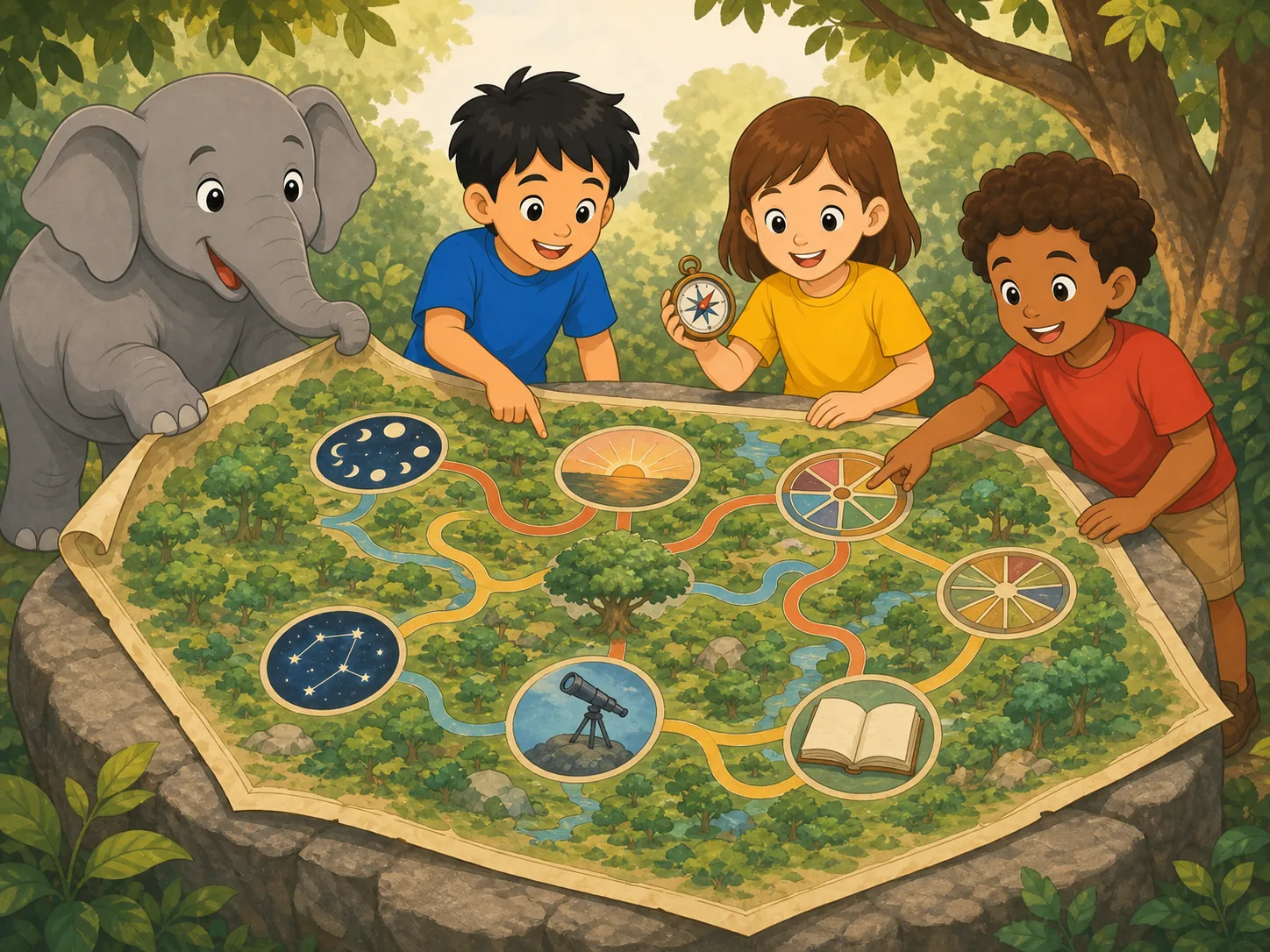
A welcoming place to begin
First clearing
Meet the central ideas, see how the vocabulary connects, or begin with one word that catches your curiosity.
The Moon’s changing clock
Moon trails
Explore the two halves of the lunar cycle, the names of its steps, and the ways lunar months are formed.
Solar motion and the year
Sun and seasons
Follow the Sun through the year and explore the sidereal star-based zodiac.
The times a calendar rule may check
Clocks in the sky
Learn how sunrise, moonrise, weekday names, and other parts of the day help turn continuous motion into calendar results.
Calendar rules and cultural meaning
Observance grove
Learn about cultural and religious observances on the calendar.
 Devaśayanī EkādaśīAdd the lunar month Āṣāḍha to the recurring pattern.→Dhamma Cakka Day / Āṣāḍha PūrṇimāMeet the Buddhist commemoration of the Buddha’s first teaching at Sarnath.→DīpāvalīFollow five festival phases through changing tithis and controlling times.→Durgāṣṭamī and the Navarātri seasonsFollow nine spring and autumn phases, distinguish them from the monthly vrata, and meet their distinct conclusions.→EkādaśīSee why observance calendars may choose its date differently.→
 Gandhi JayantiLearn why this civic commemoration recurs on 2 October in the Gregorian calendar.→Gaṇeśa CaturthīCompare two monthly Caturthīs with the annual festival.→
 Gaurī and Jayā Pārvatī vrataKeep two Gujarati Pārvatī-centered vrata beginnings distinct.→Guru PūrṇimāExplore an annual occasion for honoring teachers.→Hanumān JayantīConnect Caitra Pūrṇimā at sunrise with Hanumān’s courage, devotion, and service.→Hartālikā TṛtīyāMeet a Bhādrapada vrata centered on Pārvatī’s steadfast devotion.→
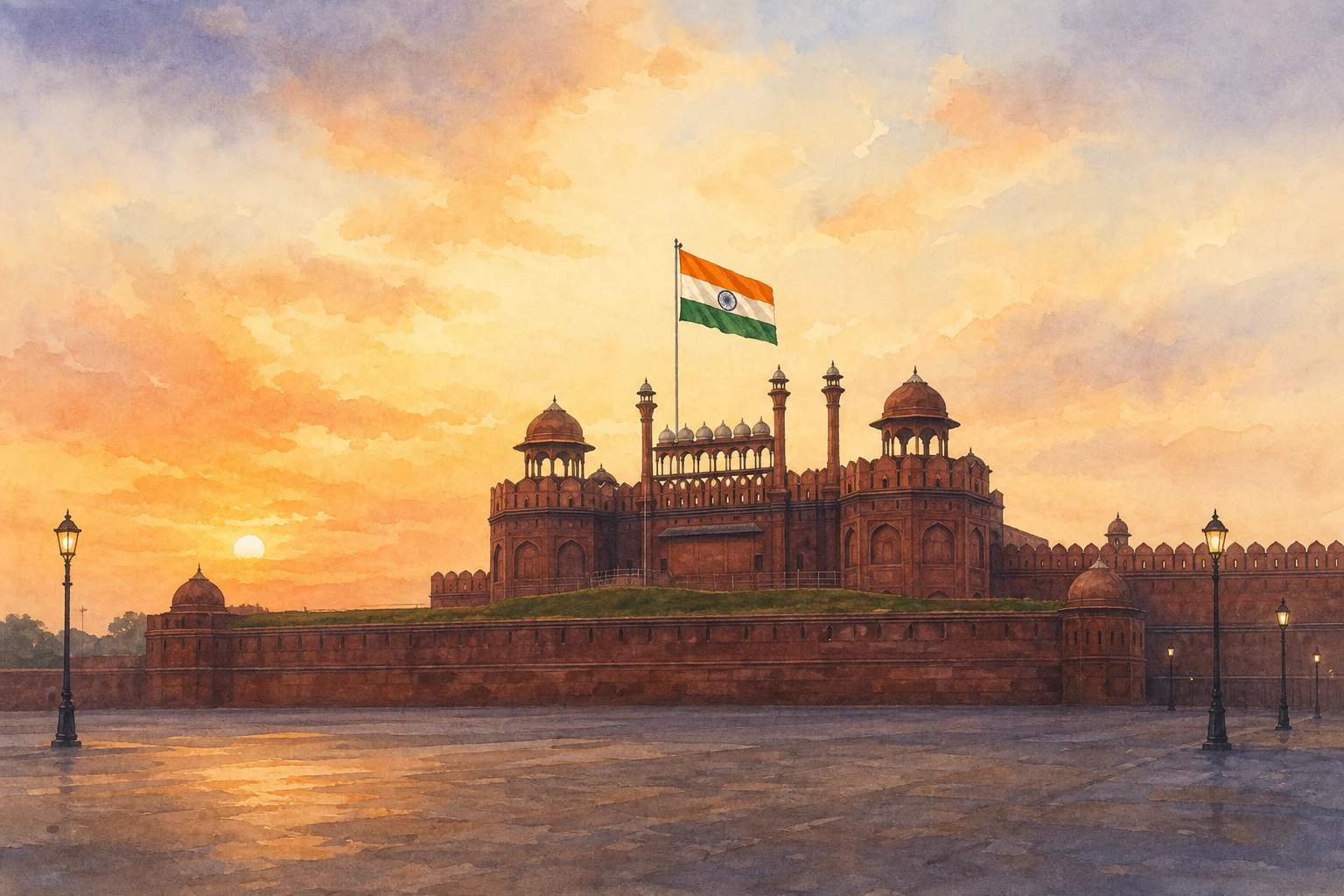 India’s Independence DayLearn why this national civic commemoration recurs on 15 August in the Gregorian calendar.→Jain sacred seasonKeep the Śvetāmbara eight-day season and Digambara ten-virtue season distinct.→Kṛṣṇa JanmāṣṭamīConnect Śrāvaṇa’s eighth dark tithi, niśītha, and Kṛṣṇa’s birth celebration.→Mahāvīra Janma KalyāṇakaConnect Caitra’s thirteenth bright tithi with a major Jain observance of Mahāvīra’s birth.→Mahāvīra Nirvāṇa Kalyāṇaka / Jain DīpāvalīConnect Āśvina Amāvāsyā with Mahāvīra’s liberation and the Jain Festival of Lights.→PitṛpakṣaFollow a sixteen-phase annual period for remembering and honoring ancestors.→
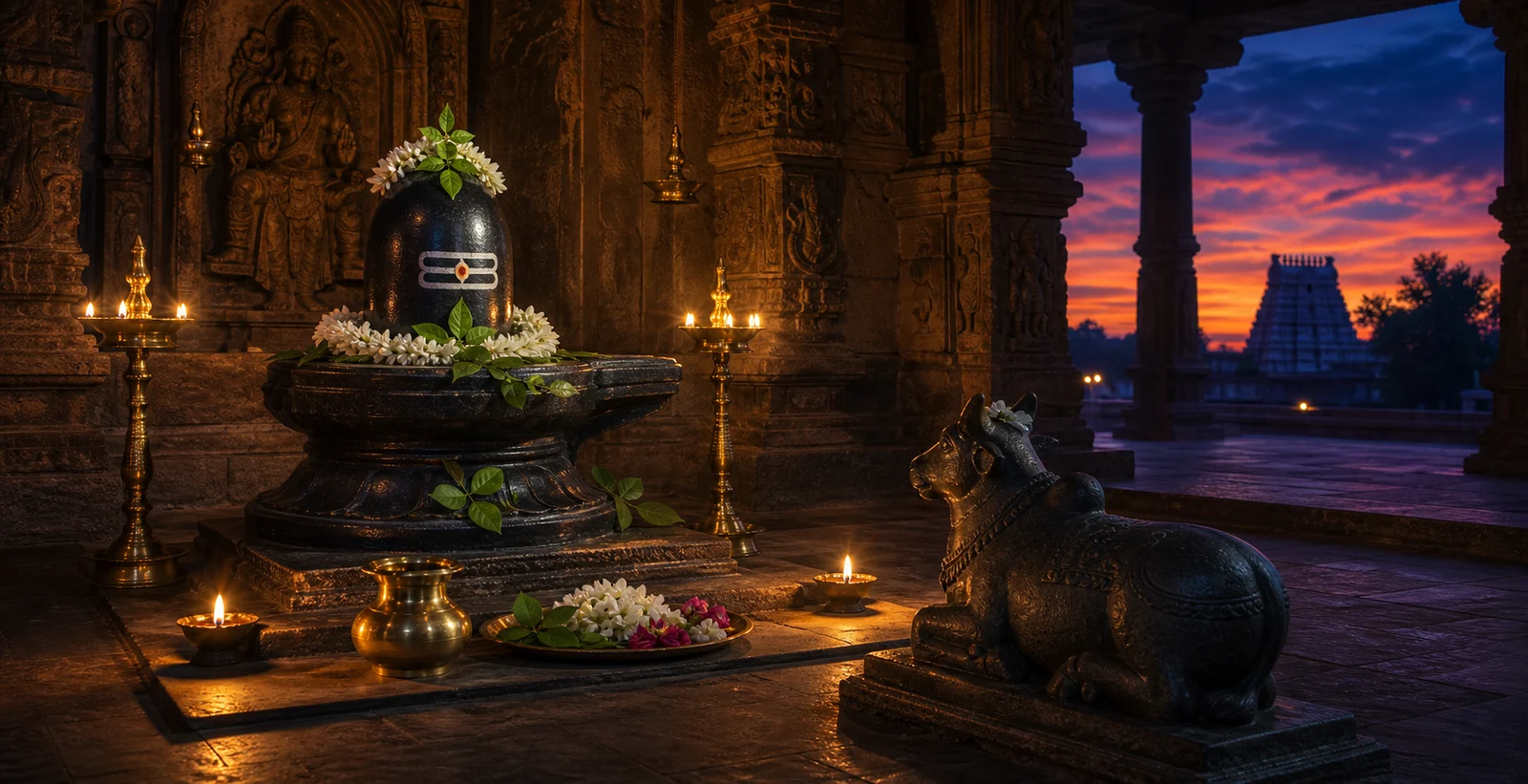 Pradoṣa vrataConnect Trayodaśī, early evening, and a recurring Śaiva observance.→Prakāś Gurpurab of Guru Nanak SahibConnect Kartik Puranmashi with a major Sikh observance of Guru Nanak Sahib.→Rāma NavamīConnect Caitra's ninth bright tithi with madhyāhna and Rāma's birth commemoration.→Ratha SaptamīConnect Māgha’s seventh bright tithi, sunrise, and Sūrya.→ŚivarātriCompare the monthly night with Mahāśivarātri.→Skanda ṢaṣṭhīMeet the bright sixth lunar day associated with Skanda or Murugan.→
 Śrāvaṇa SomavāraSee how Monday and two disclosed Śrāvaṇa month systems meet.→Sri Lankan Full Moon Poya DaysFollow Sri Lanka’s published cycle of named Theravāda Buddhist full-moon observances.→Vaisakhi / Khalsa Sājna DivasConnect the opening of Vaisakh with the inauguration of the Khalsa.→Vasanta PañcamīConnect spring, Pañcamī, learning, and Sarasvatī Pūjā.→
 Vāsudeva DvādaśīConnect Āṣāḍha’s bright Dvādaśī with Vāsudeva.→Vrata, pūjā, and observanceLearn how a documented rule connects a calendar classification with an observance.→World Sanskrit DayFollow an annual Sanskrit-learning observance to Śrāvaṇa Pūrṇimā.→
Methods, evidence, and different paths
How calendars work
Look behind a displayed date to see how astronomy, named calendar methods, and observance rules relate.
The learning experiment behind the forest
About the project
Read about the educational purpose, National Education Policy inspiration, World Sanskrit Day milestone, and open-source approach.
Try one real place and date
Sky Explorer
When you want a real example, use a limited live sky check to see how the Sun and Moon connect with the calendar vocabulary and included observances. The result gives you an example to interpret, and you choose the learning path that answers your next question.